
Hawai'i Severe Weather Prepardness
Practical guidance for hurricane and severe weather preparedness, guest safety, emergency planning, and power outages in Hawaiʻi vacation rentals.
Last Updated: August 26, 2026
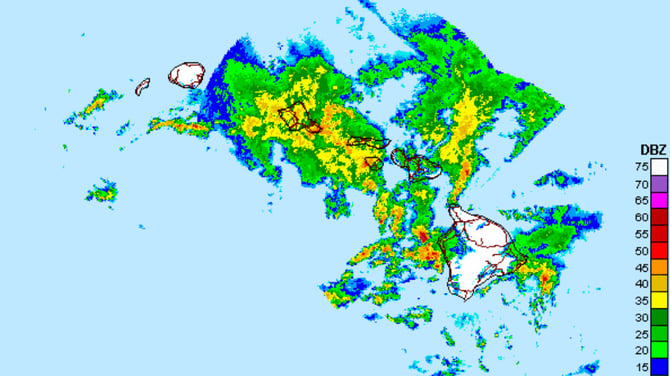
Severe weather and power outages can develop quickly across the islands. A little advance preparation can make a meaningful difference in keeping guests safe, informed, and supported if an event occurs during their stay.
Property Managers and owners should work together to ensure each home has essential supplies, clear instructions, and a property-specific response plan in place before severe weather is forecast.
At a minimum, each home should have the following emergency supplies and information readily available:
- At least one unopened case of bottled water
- Several working flashlights in easy-to-find locations
- Fresh batteries and clearly marked backup batteries
- A basic first-aid kit
- A battery-powered or hand-crank radio, when possible
- A portable charging bank for phones and other small devices
- A simple hurricane, evacuation, and power outage plan
- Instructions for manually operating electric gates and garage doors
- Instructions for elevators or other essential features during an outage
The Hawaiʻi Emergency Management Agency recommends preparing for extended disruptions to power, water, transportation, and supply deliveries. Property Managers should review the state's preparedness guidance and scale the home's supplies based on its maximum occupancy and location.
Each home is different. The emergency plan should clearly explain:
Emergency information should be reviewed regularly and updated whenever property access, equipment, contacts, or local guidance changes.
Property Managers should monitor official forecasts and begin communicating with guests early. Before conditions worsen:
- Confirm that emergency supplies are present, accessible, and in working order.
- Confirm that guests have received the property's emergency instructions.
- Share links to official weather alerts, evacuation notices, and county emergency updates.
- Remind guests that evacuation orders and instructions from local authorities must be followed.
- Ensure the Property Manager's contact information is current and let guests know how frequently they can expect updates.
- Avoid sending team members or vendors into unsafe conditions. Personal safety should always come first.
If a storm or power outage is expected, remind guests to:
- Keep refrigerator and freezer doors closed as much as possible to help preserve food.
- Charge phones and portable batteries while power is available.
- Conserve phone battery power and limit nonessential device use.
- Unplug nonessential electronics and appliances to help protect them from power surges when electricity is restored.
- Stay indoors and away from windows during dangerous wind or lightning conditions.
- Follow all evacuation orders and guidance from local authorities.
- Never walk or drive through floodwater.
- Avoid downed power lines, standing water, debris, and unnecessary travel.
- Assume every downed power line is energized and dangerous.
Guests should not rely solely on the Property Manager for emergency information. Encourage them to monitor official alerts and local news throughout the event.
Once officials indicate that conditions are safe, work through the following steps:
For current conditions, watches, warnings, and official guidance, reference:
Weather conditions and emergency instructions can change quickly. Always follow the most current direction from state and county emergency-management agencies, the National Weather Service, utility providers, and first responders.